 0
 0
As temperatures drop and icy winds sweep across the streets, many people come home eager to warm up as quickly as possible. The instinctive reaction is often to turn the radiator thermostat all the way up to level five, hoping the room will heat faster. However, experts say this common habit is based on a misunderstanding that could lead to unnecessarily high energy bills.
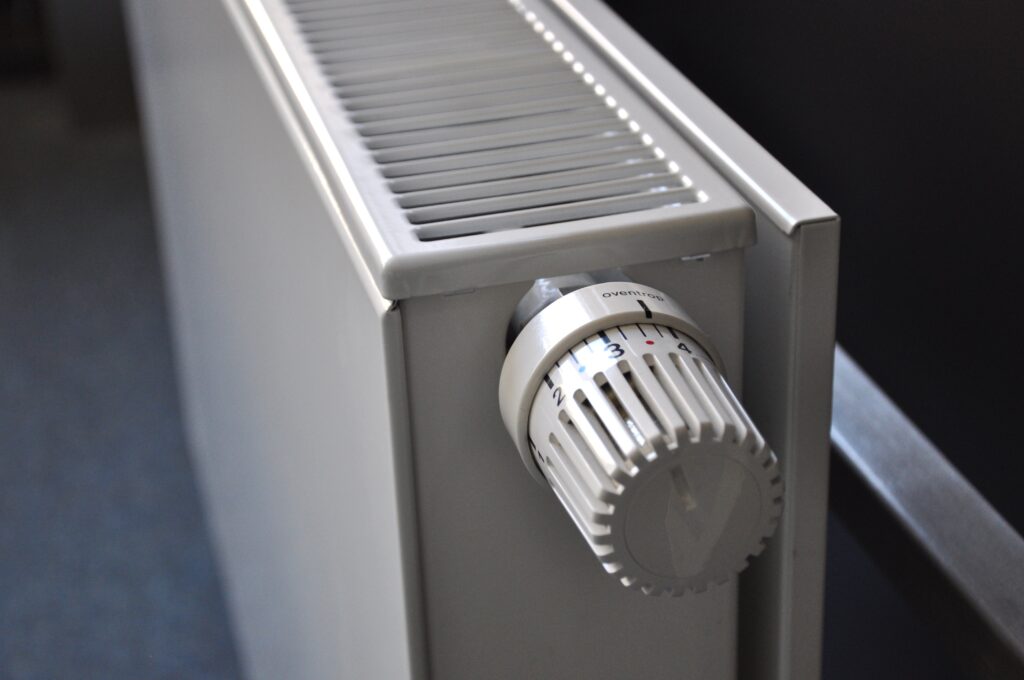
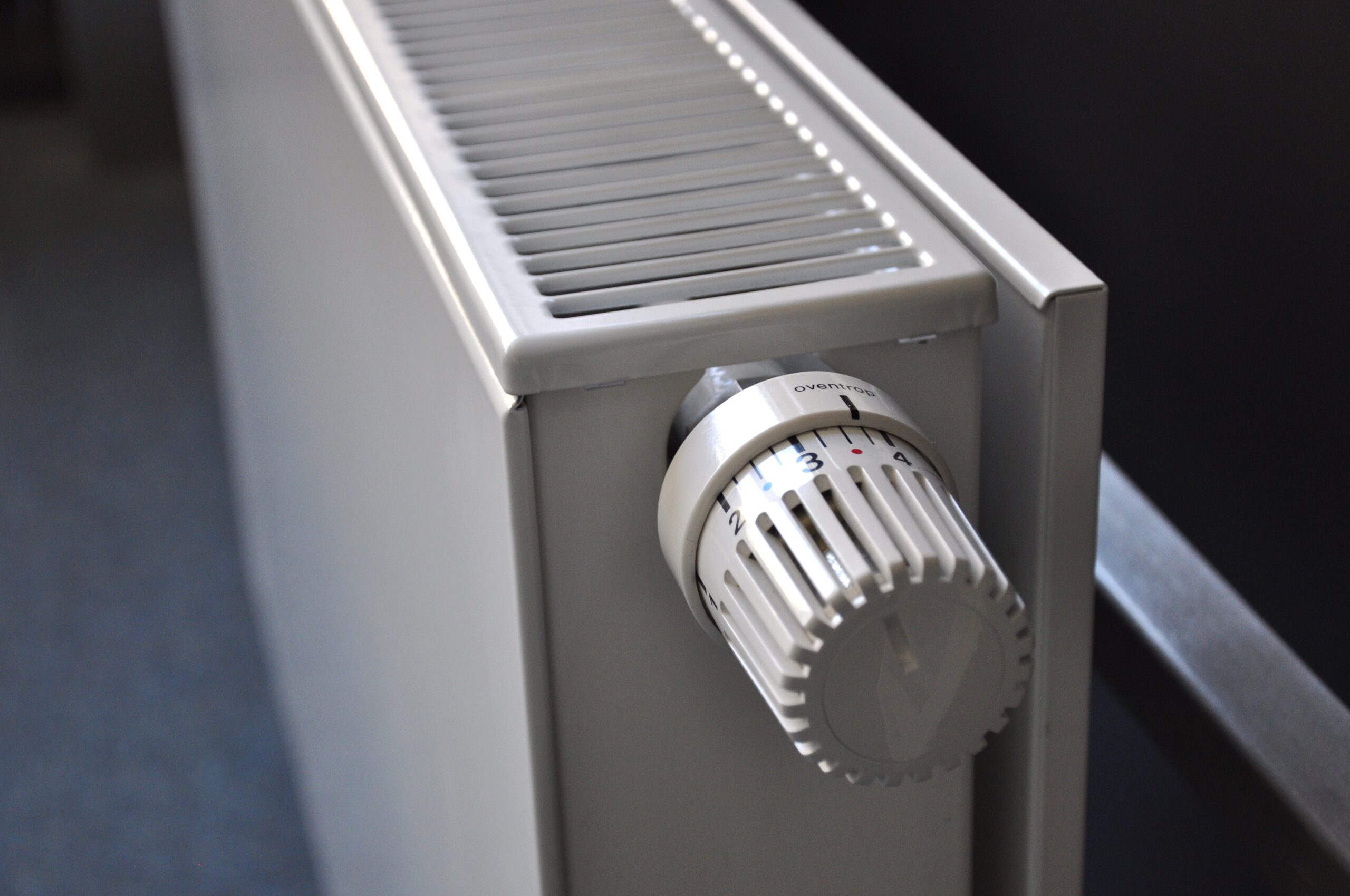
Many people assume that a thermostat works like a car’s accelerator pedal, where more input creates a faster response. In reality, radiator thermostats function differently. The number on the dial does not determine how quickly a radiator heats up. Instead, it sets the target temperature the room should reach.
When a room is significantly colder than the selected temperature, the thermostat valve opens wide regardless of whether it is set to level three or level five. As a result, turning the dial to its maximum setting will usually not make the room warm up any faster during the initial heating phase.
The key difference lies in the final temperature. While level three on a traditional radiator thermostat typically corresponds to around 20 degrees Celsius, level five can allow the room temperature to rise to approximately 28 degrees Celsius. This can leave living spaces uncomfortably hot while increasing energy consumption and heating costs.
For most living rooms and dining areas, level three is considered the ideal setting. A temperature of around 20 degrees Celsius offers a comfortable indoor climate for many households without wasting energy. Even small adjustments can make a noticeable difference to energy bills. Heating experts estimate that reducing room temperature by just one degree Celsius can cut heating energy consumption by roughly six percent.
Not every room, however, requires the same level of warmth. Bedrooms are often most comfortable at temperatures between 16 and 18 degrees Celsius, while bathrooms may benefit from slightly higher temperatures, particularly during colder months.
Many thermostat dials also feature markings between the numbered settings, allowing users to fine-tune temperatures more precisely. Actual temperatures can vary depending on the thermostat model and installation conditions.
Beyond selecting the correct thermostat level, a few simple habits can help improve heating efficiency. Keeping radiators unobstructed, ventilating rooms briefly with fully opened windows instead of leaving them tilted for long periods, and maintaining consistent temperatures throughout the day can all contribute to lower energy use.
The takeaway for colder days is simple: turning the thermostat higher does not heat a room faster. Instead of automatically selecting the highest setting, choosing the temperature you actually need is the more efficient option. For many households, level three strikes the right balance between comfort and energy savings, helping residents stay warm while keeping heating costs under control.



This post has already been read 67 times!